

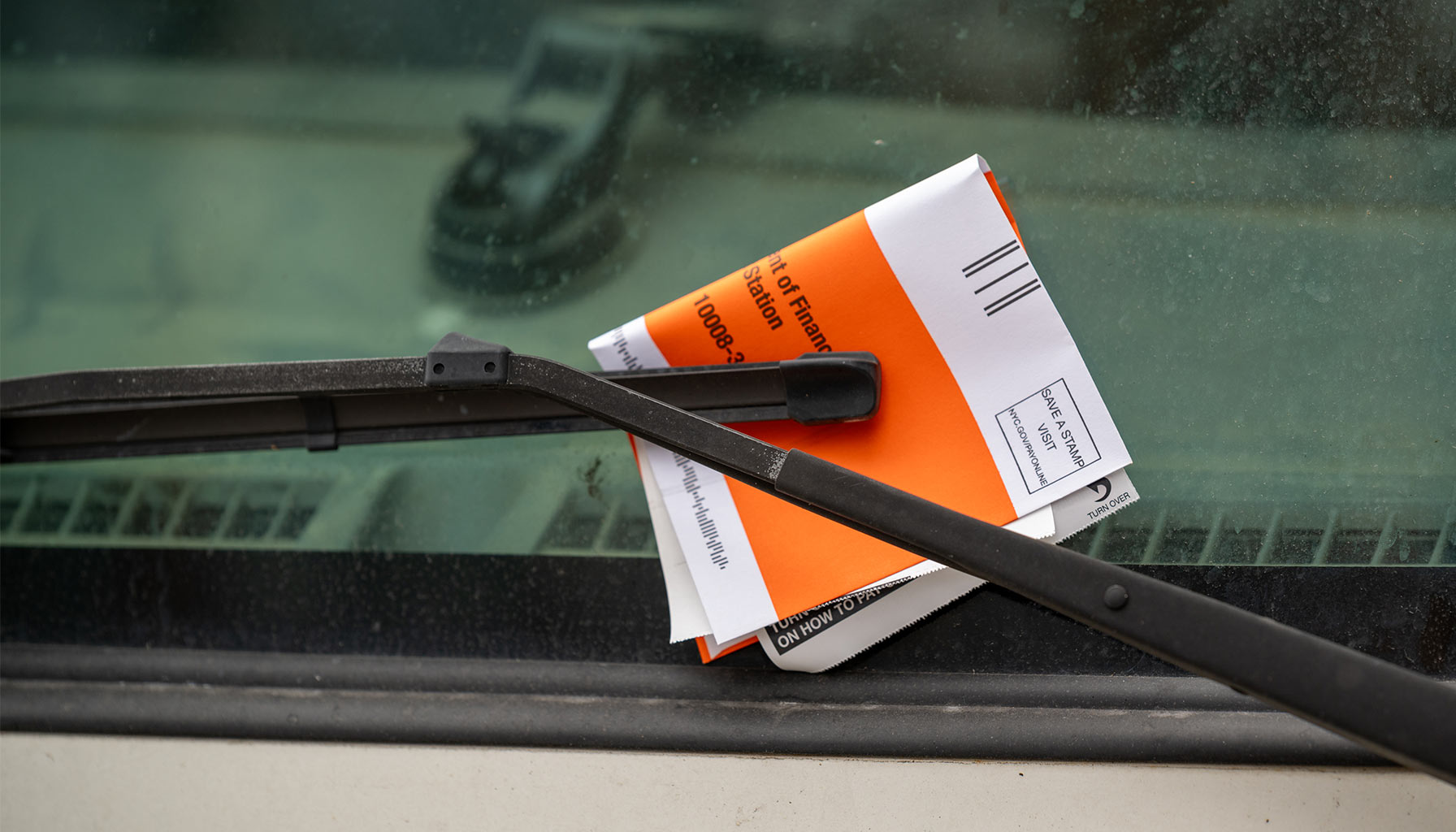
Moving in Manhattan comes with many challenges — elevators, strict building schedules, narrow streets, heavy traffic… and of course, parking. Whether we’re handling a small local move, transporting delicate artwork, or arriving for an art installation appointment, curb access plays a huge role in how efficiently the job gets done.
One question we occasionally receive is:
“Why do customers pay for parking tickets if they happen during the move or art delivery?”
At HandyVan, our goal is to be 100% transparent about how we price our services. Below, we explain clearly and fairly why this policy exists, how we work hard to avoid tickets, and how customers can help prevent them — especially during time-sensitive art deliveries and installation projects.
1. Flat Rates and Hourly Rates Don’t Cover Unpredictable Parking Fines
HandyVan operates light commercial vans under 10,000 lbs GVWR, not large box trucks. This lets us offer flexible, affordable service for moves and art deliveries — but it also means we frequently load directly at the curb. Our pricing is designed to be simple and fair. To keep it that way, we do not build parking violations into our base rates. If we absorbed all parking tickets across all jobs, we would have to raise prices significantly, even for clients whose moves or art installations involve zero tickets. A single Manhattan parking ticket can cost $65–$185, and restricted-zone citations can be higher. For a boutique operator that specializes in careful handling and art-related work, a few unexpected tickets in a week can easily erase the margin of several projects. To keep your costs low, we charge only when a ticket truly occurs — never as a hidden automatic fee.2. Even With Commercial Plates, Legal Parking in Manhattan Is Extremely Limited
Whether we’re delivering artwork to a gallery or installing pieces in a SoHo loft, curb space in Manhattan is extremely limited. Even with commercial plates, we face:- blocks with no loading zones
- entrances with “No Standing Anytime” directly at the door
- loading bays reserved for contractors or building staff
- strict enforcement in SoHo, Tribeca, FiDi, Chelsea, Midtown, and the Village
- buildings that cannot legally block their entrance
- time-sensitive service windows for delivery or installation
3. Large Moving Companies Can Absorb Tickets — Small Independent Operators Cannot
Big corporate moving companies can absorb violations because:- they run $3,000–$5,000+ moves
- they spread ticket costs across thousands of jobs
- they have entire accounting departments handling fines
- small, specialized operator
- many jobs involve art delivery and installation, not huge move volumes
- our average project cost is $400–$700
- we don’t pad prices with hidden surcharges
What We Do on Our Side to Avoid Tickets
We work extremely hard to prevent violations. Our team:- chooses the safest legal spot available
- monitors the van during loading
- uses hazard lights and commercial plates properly
- coordinates with doormen and building staff
- avoids peak ticketing hours when possible
- pre-plans the loading order to minimize curb time
- stays aware of block-by-block rule changes
4. Most Tickets Are Avoidable — and Customers Can Help Prevent Them
About 85% our small moves and art deliveries result in zero tickets. When customers prepare in advance, the chances drop even further.Helpful ways customers can reduce ticket risk:
- reserving curb space ahead of time
- using cones or markers for active loading
- asking building management to hold a driveway
- having someone briefly sit in the van (totally legal)
- scheduling art installations during off-peak hours
- notifying doormen/security in advance
- avoiding hyper-enforced zones at peak ticketing times
What Customers Often Don’t Know About NYC Parking
Even lifelong New Yorkers are surprised by how chaotic curb rules are. Most people don’t realize:- Many blocks have zero legal spots for commercial vans.
- Traffic agents can issue a ticket in under 60 seconds.
- Some buildings cannot block their entrance even during a move.
- Curb rules change mid-block or mid-day.
- SoHo, Tribeca, and Midtown can see dozens of tickets per hour.
- Art deliveries and installations often run on coordinated schedules with no flexibility to circle for long periods.
5. We Don’t Want Tickets Either — Our Incentives Are the Same as Yours
For moves, art deliveries, or installations, our incentives align perfectly with yours: we want to avoid tickets completely. We never park carelessly or take unnecessary risks. We always choose the best possible option for safety, legality, and efficiency.6. NYC Issues Millions of Tickets Every Year — the Numbers Prove It
To understand the broader picture:
- NYC issues around 16 million tickets per year
- In 2025, the total was 16.55 million, totaling $1.13 billion
- Commercial vehicles make up about 9%
When delivering artwork to SoHo or Midtown — two of the most ticket-heavy areas in the country — even a few minutes at a restricted curb can produce a ticket.
This is why many NYC service industries (art installers, electricians, couriers, delivery vans, small movers) follow the same customer-responsibility model.
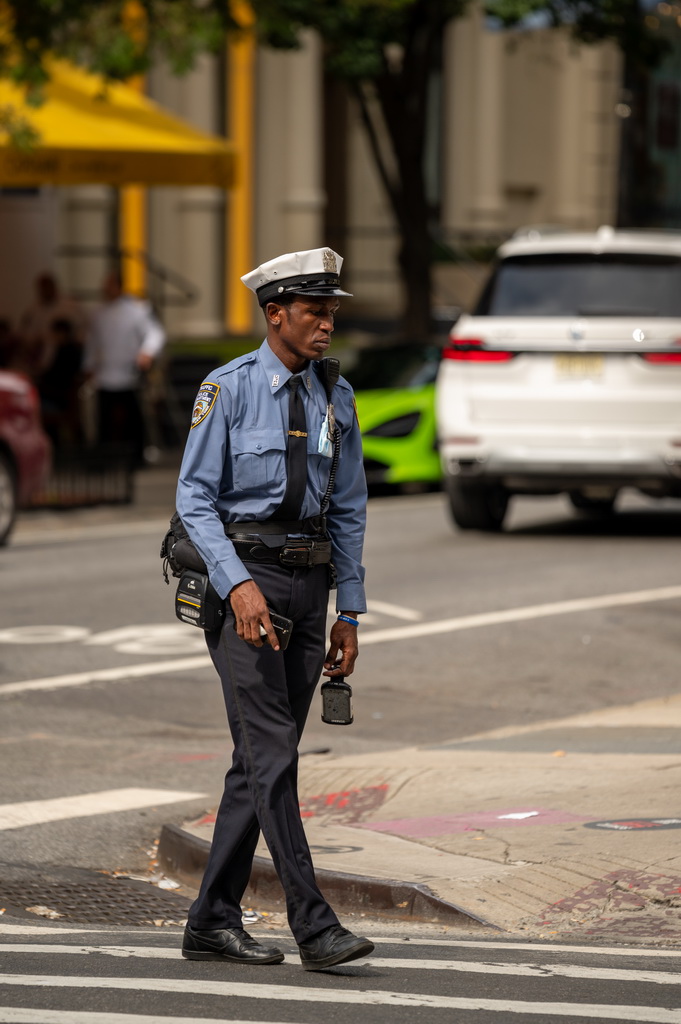
Parking Meters vs. Parking Tickets — Important Difference
Parking meters and meter fees are covered by us.
Only parking violations (actual tickets) are passed to the customer when unavoidable and directly related to the service.
This helps prevent misunderstandings.
Conclusion: Transparency Keeps Prices Fair for Everyone
Our goal — whether performing a small move, handling an art delivery, or installing artwork — is to keep your costs low and your experience stress-free.
- We don’t charge hidden fees.
- We don’t bury ticket costs inside rates.
- We avoid violations aggressively.
- And when a ticket does happen, it’s because curb conditions left no legal choice.
With good communication and a little teamwork, most projects remain completely ticket-free.
What Services This Applies To
- small residential moves
- furniture transport
- art delivery and gallery transport
- art installation appointments
- designer or architect installation projects
- staging and interior-design deliveries
We use the same approach for all service types: no hidden fees, clear expectations, and no padding of rates.
Planning a small Move or Art Installation?
We’ll help you choose the best time and parking strategy to keep your project fast, smooth, and fairly priced.